
In ancient times, Malta was connected to Sicily by a land bridge. Later, this bridge was submerged, isolating Malta from the Italian island. How did this happen?
Sea Level Rise and Climate Change
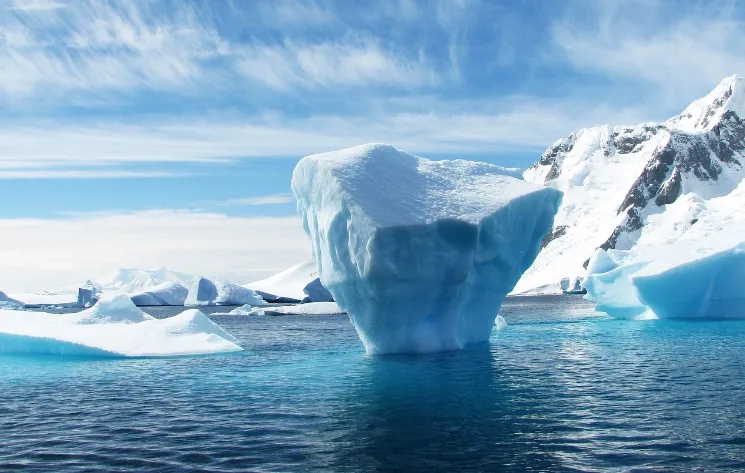
Following the last Ice Age, as ice caps melted, global sea levels began to rise—a result of climate change, a process we are all too familiar with today. At the time, sea levels were approximately 120 meters lower than they are now, creating low-lying land bridges that connected various land masses. This significant difference—120 meters—is astounding when you consider it, showing just how much the planet’s waters have transformed.
The Holocene Epoch
This rise occurred during the Holocene epoch, a period marked by melting glaciers and ice caps. Water levels steadily increased, ultimately covering the land bridge and isolating Malta as an island group. The process that submerged the land bridge in the Mediterranean took about 12,000 years—a long span, especially considering the current rate of sea-level rise.
A Worldwide Phenomenon
This event wasn’t unique to Malta; similar transformations occurred worldwide. For instance, the United Kingdom was once connected to mainland Europe by a region called Doggerland, often referred to as the ‘Atlantis of the North Sea’. This area was inhabited for nearly a million years before it too was submerged.
This type of landscape, like the Malta-Sicily bridge and Doggerland, was ideal terrain for hunters. It was a very fertile, forested area with vast coastlines and wetlands. For that time, these were the richest areas to live in.
Geographical and Cultural Isolation
Around 10,000 years ago, the geographical separation of Malta became permanent. Over time, various civilizations, such as the Phoenicians, colonized Malta, using it as a base and helping to shape its unique identity.
Then followed the Romans, Byzantines, and Arabs, who each brought cultural and religious changes, contributing to Malta’s distinct character. In the Middle Ages, Malta solidified its independence from Sicily when it came under the control of the Knights in 1530, further strengthening its cultural identity.
Modern Malta
Malta’s cultural heritage spans over 7,000 years, featuring UNESCO sites like Valletta and ancient temples, drawing history enthusiasts worldwide. Film locations on the islands also boost Malta’s visibility, while the widespread use of English makes it particularly appealing to international visitors.
Despite the challenges of dense population and infrastructure pressure due to tourism, Malta remains a desirable destination with its unique blend of culture, lifestyle, and economic potential. Take a boat tour or fly in to experience this resilient island that has seen so much history yet now thrives as an independent EU member state.
The difference between the islands now
Sicily has naturally remained Italian, while Malta has retained a mix of Mediterranean influences. In Sicily, Italian is spoken, but Malta is bilingual, which makes it more accessible to international visitors. Sicily’s landscape is more diverse, featuring Mount Etna and a mountainous terrain. The cuisine is Italian with some Arabic and Greek influences.
However, both islands boast architectural beauty and excellent wines. A common choice for visitors to both islands is to combine them in one trip, making it an island-hopping holiday where Malta and Sicily are both explored.