
In 60 AD, the apostle Paul faced a dramatic shipwreck near Malta. On his way to Rome to stand trial as a prisoner, severe weather and the powerful Euroclydon storm pushed his ship off course. The vessel, carrying 275 others, eventually wrecked in what is now St. Paul’s Bay near Bugibba.
A warm welcome from the locals
The stranded passengers were met with kindness by the local Maltese population, known at the time as “barbarians” simply because they did not speak Greek. These hospitable islanders took care of the survivors and ensured their safety.
A miraculous event that changed everything
During his stay, Paul was bitten by a snake but remained unharmed, astonishing the locals. This miraculous event led them to see him as a divine figure. His reputation grew further when he healed the father of Publius, the leader of Malta, from illness.
The birth of Christianity on Malta
Paul stayed on Malta for three months, during which he introduced Christianity to the island. Publius converted and became Malta’s first bishop, marking the beginning of a Christian legacy that still defines the island’s identity today.
St. Paul’s Islands: a testament to history
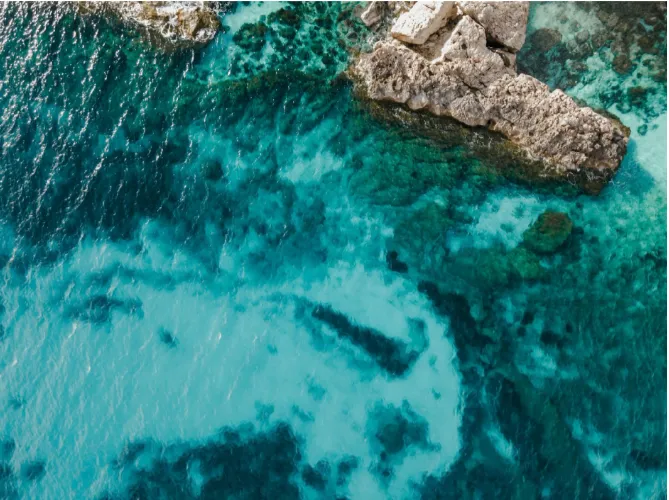
The small islands in St. Paul’s Bay are a living reminder of this remarkable event. They attract countless visitors on boat trips with highlights including the 1845 statue of St. Paul and a cave where he is believed to have lived. The cave is now crowned by a church, an important religious site for the Maltese people.
February 10: a day of celebration and faith
Every year on February 10, Malta commemorates the shipwreck of St. Paul with a national holiday. Processions fill the streets, and the statue of St. Paul is carried in a tradition that dates back to 1691. It is a day of deep cultural and spiritual significance.
The lasting legacy of St. Paul
The influence of St. Paul’s shipwreck on Malta is undeniable. From historical landmarks and religious traditions to annual festivities, the legacy of this event continues to shape the cultural and spiritual fabric of the island, drawing visitors from all over the world.