
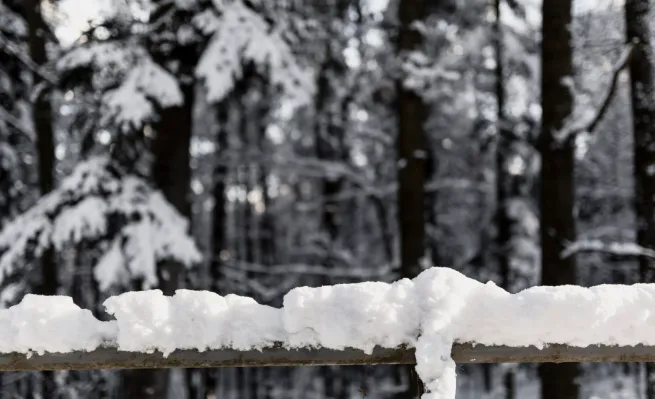
Snow in Malta sounds like a joke to most people. The island is known for sun, sea and mild winters. However, in mid-January 2026, Malta looked very different. A massive hailstorm turned parts of the island almost completely white. Roads were covered in ice, cars got stuck, and some streets looked more like a ski resort than the Mediterranean. For Malta, this was highly unusual.
So how is that possible? Can it really snow in Malta? And what did people actually see?
Malta and snow at a glance
| Detail | At a glance |
|---|---|
| Last real snowfall | 31 January 1962 |
| January 2026 | A heavy hailstorm, not snow |
| Worst-hit areas | Rabat and Baħrija |
| Winter climate | Usually mild, 12 to 18°C |
| Why it looked white | A thick layer of hail can resemble snow |
Why snow almost never happens in Malta
Malta sits in the middle of the Mediterranean Sea, where winters stay relatively mild. Daytime temperatures usually range between 12 and 18 degrees Celsius. Although nights can feel chilly, real frost is rare.
Malta does get rain in winter. However, there is almost never enough cold at the same time for snow to form properly. Even when temperatures are freezing high in the clouds, the air near the ground stays too warm. As a result, snow melts before it reaches the streets.
Has it ever snowed in Malta?
Real snow in Malta is extremely rare. In fact, it almost feels like a legend. Historical records mention only a few moments:
| Year | What happened |
|---|---|
| 1858 | Light snow |
| 1877 and 1895 | A few flakes, no build-up |
| 1905 | A short snow shower |
| 1949 | Snow reported inland |
| 31 January 1962 | The last time Malta truly turned white from snow |
Since 1962, there has been no officially recorded snowfall. Although there was a report in 2014, it remains debated because nothing settled on the ground. In short, if you have seen real snow in Malta, you are either very old or incredibly lucky.
So what happened this time?
In mid-January, something else happened. Not snow, but hail. And not just a little.
Western areas such as Rabat and Baħrija were hit especially hard. Within a short time, thick layers of hail built up on roads. In some places, the ice was several centimetres deep. As a result, cars could not move, roads became slippery, and some residents had to shovel ice to free their vehicles. Many people said it felt like waking up in another country.
Why did it look so much like snow?
Hail is ice. When large amounts fall