
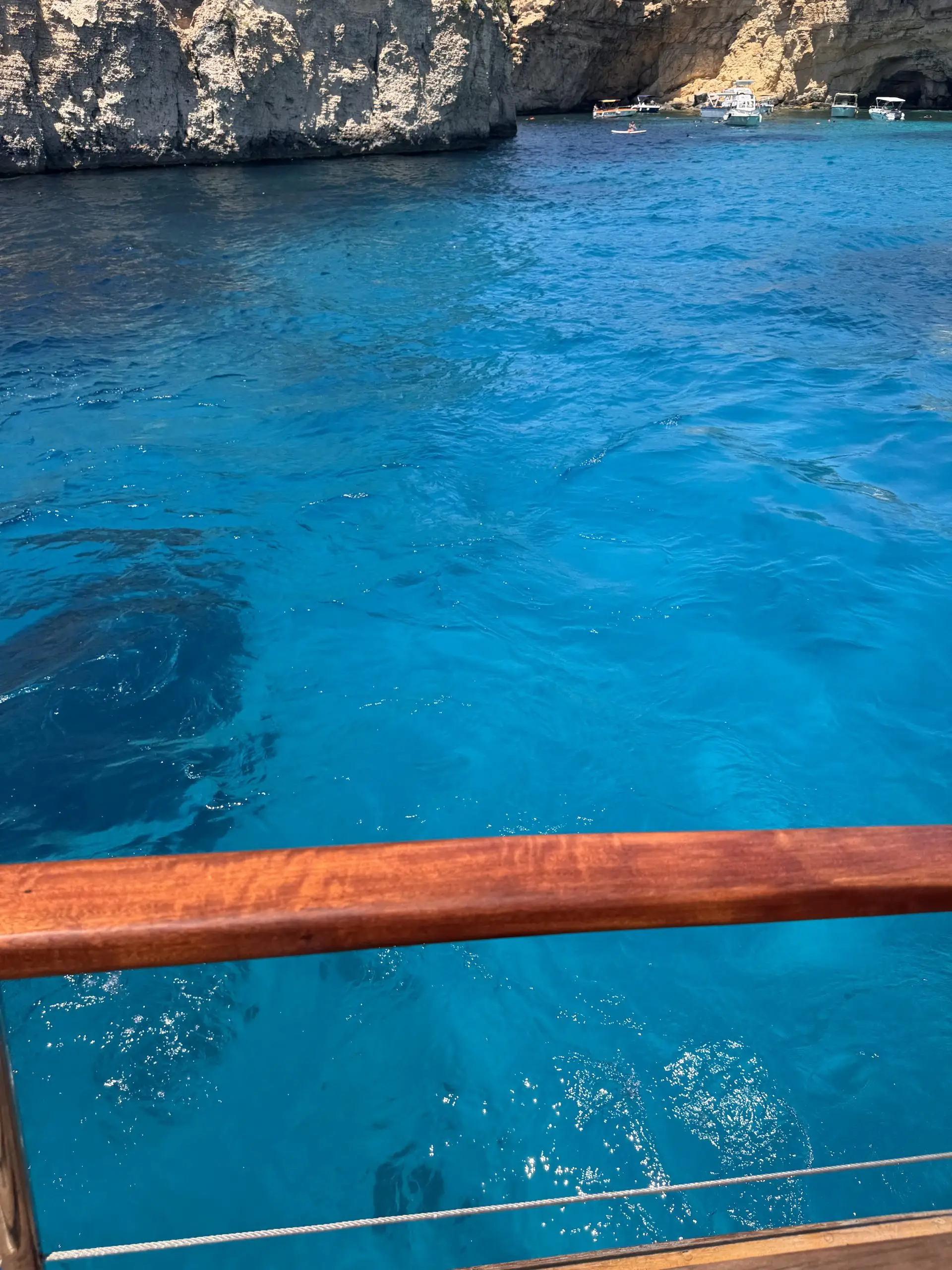
The Blue Lagoon on Comino is famous for a reason: glowing, neon-turquoise water sandwiched between jagged limestone cliffs. But because it is one of the most popular attractions in the Mediterranean, thousands of travelers arrive at the exact same time every single day during peak season.
If you arrive unguided between 11:00 AM and 3:00 PM in July or August, you’ll encounter crowded docks, long lines for sunbeds, and a bustling shoreline.
However, with a bit of smart planning, you can experience the Blue Lagoon when it is calm, peaceful, and picturesquely clear. This complete timing guide reveals when to visit, how to structure your day, and how to choose the right cruise to beat the crowds.
Quick Summary: The Best Times to Visit
| Time / Season | Crowd Level | Best For | Recommended Option |
|---|---|---|---|
| Early Morning (Before 10:00 AM) | Low | Clear swimming, quiet photos, securing sunbeds | Private RIB or early shuttle |
| Mid-Day (11:00 AM to 3:30 PM) | Peak | Vibrant water color, sun directly overhead | Sailing boat cruise, stay on deck |
| Late Afternoon / Sunset (After 4:00 PM) | Low to Moderate | Sunset views, cooler weather, calm water | Comino Blue Lagoon Sunset Cruise |
| Shoulder Season (May, June, Sept, Oct) | Moderate | Perfect balance of warm sea and manageable crowds | Day Cruises & Multi-Island Trips |
Local Tip: The water appears brightest when the sun is directly overhead (12:00 PM to 2:00 PM). If you visit mid-day, choose a tour on a spacious catamaran so you can relax on deck in comfort instead of scrambling for space on the rocky shore.
1. The Hourly Breakdown: What to Expect Throughout the Day
Early Morning (8:00 AM to 10:30 AM): Peaceful & Pristine
If you want the water almost entirely to yourself, arrive before 10:00 AM.
- The Vibe: Calm, glassy water, low noise levels, and plenty of space on the small sandy beach.
- The Catch: Main transport ferries from Sliema and St. Paul’s Bay take about 45 to 90 minutes to arrive, meaning early arrival usually requires an early northern departure or a private charter.
Mid-Day Peak (11:00 AM to 3:30 PM): The Rush Hour
Between late morning and mid-afternoon, large passenger ferries from across Malta and Gozo arrive simultaneously.
- The Vibe: High energy, bustling food trucks, and lively crowds along the rocky slopes.
- How to Handle It: If you visit during these hours, your boat is your base. Tour boats equipped with sun decks, shaded seating, and fresh-water showers allow you to swim directly off the vessel into deep blue water, avoiding the onshore rush altogether.
Late Afternoon & Sunset (4:00 PM to 7:30 PM): The Golden Hour
By 3:30 PM, the mass tour boats begin their journey back to main ports.
- The Vibe: The island empties out, the temperature drops slightly, and the golden hour lighting makes for incredible photography.
- The Solution: Booking a dedicated sunset cruise to the Blue Lagoon gives you two to three hours of calm swimming right as the sun dips below the Mediterranean horizon.
2. Seasonal Guide: Choosing the Right Month
| Season | Weather and crowds | Good to know |
|---|---|---|
| Peak Season (July and August) | Hottest weather, highest crowds | Book months ahead |
| Shoulder Season (May, June, September, October) | Ideal water temperature, moderate crowds | Highly recommended |
| Quiet Season (November to April) | Sightseeing only, no swimmers | Limited ferries |
Shoulder Season (May, June, September and October): The Sweet Spot
If your travel dates are flexible, September and October are arguably the best months to visit Malta.
- Sea Temperature: The Mediterranean remains warm (24°C to 26°C) well into October after absorbing heat all summer.
- Crowd Density: Tourist volume drops significantly compared to July and August, making it much easier to enjoy the shoreline and nearby attractions.
Peak Summer (July & August)
July and August offer guaranteed sunshine and vibrant turquoise waters, but demand is extremely high.
- If visiting in peak summer, book your boat trip well in advance.
- Consider a multi-stop itinerary, such as a Gozo and Comino combo tour, where part of your mid-day is spent exploring Gozo’s land sights before cooling off in the water later in the day.
3. Alternative Spots: Escaping to the Crystal Lagoon
When the main shore at the Blue Lagoon gets busy, head 500 meters south to the Crystal Lagoon.
Framed by sheer limestone cliffs and accessible primarily by boat, the Crystal Lagoon offers deeper, crystal-clear water that is ideal for snorkeling and cliff swimming.
- Most travelers stick to the immediate landing area of the Blue Lagoon.
- Choosing a tour operator that includes a dedicated swim stop at the Crystal Lagoon ensures you get quality time in quieter waters.
- Before heading out, review our Comino day trip packing guide to make sure you bring proper reef shoes and snorkeling gear.
4. How to Plan Your Trip with Hello Malta Tours
Whether you want to relax on a spacious deck, watch the sunset over the lagoon, or combine two islands in a single day, choosing the right departure point and itinerary makes all the difference.
- For direct hotel pickup and full-day cruising: Explore our complete range of Blue Lagoon and Comino boat tours.
- Not sure where to board? Read our detailed breakdown on choosing between Sliema, Bugibba, and Cirkewwa departure points.
Frequently Asked Questions
What is the quietest time to visit the Blue Lagoon?
The quietest times are early morning (before 10:00 AM) and late afternoon (after 4:00 PM). Booking a sunset cruise is one of the easiest ways to experience the lagoon with a fraction of the mid-day crowds.
Is the Blue Lagoon worth visiting during peak summer?
Yes, absolutely, provided you plan properly. To enjoy peak summer without stress, choose a boat tour that serves as your personal base on the water so you can swim, sunbathe, and relax without needing a spot on the crowded beach.
Can I visit the Blue Lagoon and Gozo on the same day?
Yes! A popular strategy is booking a combined Gozo and Comino tour. You spend the morning exploring the historic streets of Victoria in Gozo and arrive at Comino later in the afternoon when crowd levels begin to drop.