
Many people think Malta is warm all year round. Sun, sea and blue skies. While Malta has a mild climate compared to much of Europe, it is important to be honest: it is not always warm.
January is the coldest month in Malta, and that can surprise visitors expecting summer weather.
What is the weather like in January?
January is winter in Malta. There is no snow and no extreme cold, but it is not beach weather either.
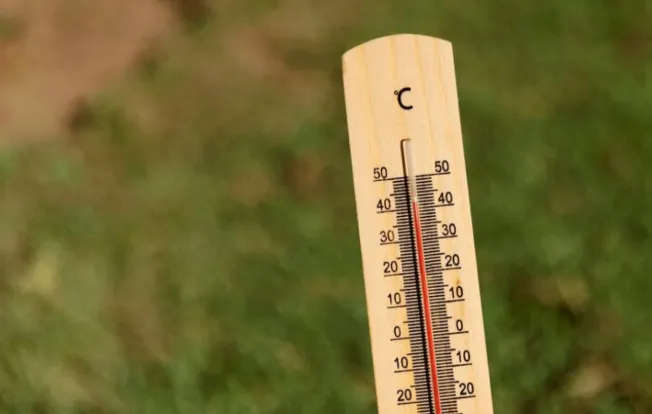
Daytime temperatures usually range between 10 and 15°C. Meanwhile, night temperatures can drop to 3 to 6°C. In addition, wind is common and often makes it feel colder. Rain showers can also happen, although they are usually short.
Right now, for example, temperatures around three degrees at night do happen.
Because houses in Malta are not built for cold weather, mornings and evenings indoors can feel chilly too.
Why does it feel colder than expected?
Many visitors say Malta feels colder than the thermometer suggests.
There are several reasons for this. First, high humidity can make cold air feel sharper. In addition, strong sea winds lower the perceived temperature. Maltese buildings also have limited insulation, which makes indoor spaces feel colder.
As a result, even 12 or 13°C can feel colder than the same temperature in Northern Europe.
Is January a bad time to visit Malta?
Not at all.
January simply offers a different side of Malta.
This is not the month for swimming or sunbathing. However, it is an excellent time for sightseeing, cultural visits, walking tours and historical attractions.
You see the island in a calmer and more local way. There is no heat stress, no mass tourism and no packed buses.
What should you pack?
If you visit Malta in January, pack for mild winter conditions.
Bring a warm jacket, preferably windproof. Wear layers for changing temperatures. Also bring long trousers and closed shoes.
Locals wear winter coats in January, and that says a lot.
Can you still enjoy outdoor activities?
Yes, absolutely.
January is perfect for walking through Valletta and Mdina. You can also enjoy coastal walks with dramatic sea views. In addition, guided tours and scenic excursions are very popular.
The landscape is often greener in winter, while the light can be soft and beautiful.
What about excursions in January?
This is where January can actually shine.
Excursions in Malta do not stop in winter. In fact, many tours feel more comfortable in January than in summer.
Cultural tours, city tours and scenic drives are popular during winter, while smaller groups often make the experience even better.
Sea and boat tours: yes or no?
Yes, depending on sea conditions.
Swimming is rare in January, but boat tours still operate. The focus is not on swimming, but on the coastline, views and the experience itself.
Is Malta warm in January?
It is important to be clear: Malta is not hot all year round.
January can be cool, sometimes cold, and often windy.
If you want beaches and swimming, summer is the better choice.
However, if you come for culture, scenery and relaxed exploration, January can be a very good time to visit Malta.
Make the most of your winter visit
The key to enjoying Malta in January is simple:
- Dress correctly
- Plan smart activities
- Choose guided experiences
That is often where excursions make the difference. Explore our Malta tours in winter and discover Valletta, Gozo, coastal views and cultural highlights in a relaxed season. With the right Malta tours, you can experience more of the island, even in January.