
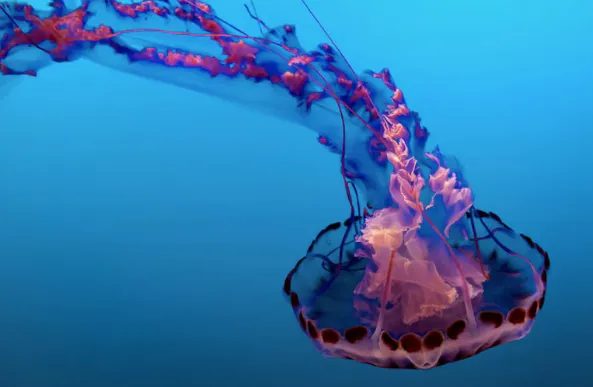
When you think of Malta, you think of sunshine, clear water, and lazy days on the beach. Right? Perfect! But sometimes, there are also jellyfish. Do not panic , you can still enjoy the sea. Let’s explain when they appear, which ones float around, what they can do, and how to deal with them.
When jellyfish show up
Jellyfish are not here all the time. Most of the year you will not see them. You usually see them in late spring and summer. Currents push groups of jellyfish close to the coast. It is a bit like a surprise party. You never really know when they decide to visit. Luckily, locals hang a flag at popular beaches. So before you jump in, look for the flags
The types of jellyfish
Not all jellyfish in Malta are monsters from the deep. Many are harmless. But let’s meet the usual guests:
- Mauve stinger (Pelagia noctiluca): Small, pink or purple, and the most common stinger. Pretty but spicy.
- Fried egg jellyfish: Yes, that is the real name. It looks exactly like a fried egg floating in the sea. Big, yellow in the middle, white around. Good news: it is harmless.
- Moon jellyfish: Round, soft, almost transparent. They look like little flying saucers. They do not really sting much.
- Box jellyfish (Mediterranean species): Rare. Not the deadly Australian cousin, but still best avoided.
What jellyfish can do to you
The common stingers can give you a shock. It feels like touching something burning. It is just a quick pain, and you get red lines on your skin. They can itch for hours, and in rare cases people get swelling.
But let’s be clear: jellyfish in Malta will not drag you under the sea. They just float and sting if you bump into them. That’s all.
What to do if you get stung
First: stay calm. You are not in danger.
Second: get out of the water. Do not rub the sting, because that makes it worse.
Third: rinse with seawater, not fresh water. Fresh water can activate the stinging cells again. Seawater keeps them quiet.
Fourth: remove any tentacles with something like a credit card or a stick.
Fifth: if the pain is strong, apply vinegar or a special cream you can buy at pharmacies in Malta. A bag of ice wrapped in a towel also helps.
Most stings get better in a few hours.
How to avoid them
Here is the easy part:
- Look at the water before swimming. If you see jellyfish, wait for another day or go to another beach.
- Ask locals or lifeguards. They always know where jellyfish hang out.
- Wear swim shoes or even a light wetsuit if you plan to snorkel a lot. Fashion and function!
- Swim in areas with lifeguards and jellyfish warnings.
The fun side
Remember: jellyfish are older than dinosaurs. They have been floating around for 500 million years. Respect! And let’s be honest, they look kind of magical under water. Kids usually love to spot them from a safe distance.
Enjoy Malta. Swim, snorkel, dive, relax. If jellyfish visit, smile, stay smart, and follow the tips. They are part of the adventure. And the fried egg jellyfish? Maybe it will make you hungry for lunch.
Swimming with Malta tours
If you want safe fun, try Malta tours such as boat tours. They take you to the best swim spots around Malta, Comino, and Gozo. Captains know the clear bays, the Blue Lagoon, and the quiet places where jellyfish rarely show up.
Book your boat tour here.