
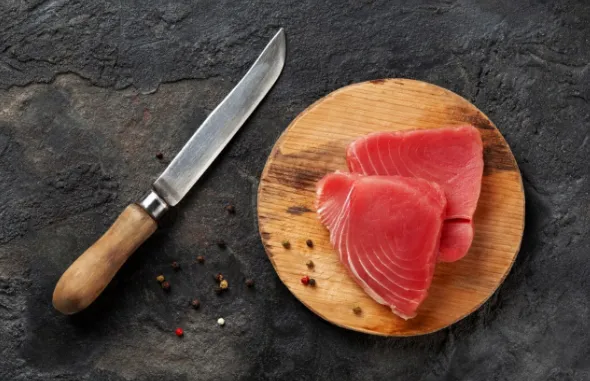
Malta is a tiny island, but when it comes to tuna it has plenty. Bluefin tuna is what you find around the island. It’s big business.
How tuna farms work
So, how does it go? Fishermen catch wild bluefin tuna out at sea in summer. Big ones, around 100 to 150 kilos. These fish are then moved into giant cages in the water, a few kilometers off the coast.
Inside the cages the tuna are fed heavily. They eat mackerel, sardines, and anchovies. A tuna that weighs 150 kilos can grow to 250 kilos. Seriously.
When autumn comes, the tuna are harvested from the farms. The final destination? Mostly Japan. For sushi and sashimi.
Tuna farms around the island
Malta has several farms, all offshore. You don’t see them from the beach, but they’re out there—round floating cages at sea. Some are just for tuna, others raise sea bass or sea bream too.
The tuna farms are massive. They bring in most of the money in Maltese aquaculture. For the economy, it’s gold. For the sea? That’s a different story.
Diving with tuna
Yes, you can actually dive with these fish. Imagine being underwater, surrounded by giants moving fast all around you. It’s exciting, a bit scary, and definitely unforgettable. Ask your diving instructor.
The controversy
Of course, not everyone is happy. Feeding tuna is expensive. They need huge amounts of smaller fish. And not all of it is eaten. A lot sinks to the bottom, rotting there and polluting the sea.
Local fishermen complain too. The farms take up space and cut into their catch. Those areas can no longer be used for regular fishing. These powerful animals, fed by tons of other creatures, just end up on someone’s plate.
It’s money versus nature. It’s tricky.
Other fish in Malta
Malta isn’t only about tuna. People also catch swordfish, mahi mahi (called lampuki here), sea bass, sea bream, and meagre. These end up in local markets, restaurants, or on tourist plates at seaside cafés.
In Marsaxlokk you’ll find all these freshly caught fish at the market. A must-see. Plan a visit if you’re there.
But compared to tuna? Believe us, tuna is the one that pays the bills.
What it all means
So here’s the deal. Malta is tiny, but tuna makes it big. The farms bring in jobs and millions of euros. But they also bring pollution and controversy.
It’s a love-hate story. If you eat sushi in Tokyo, there’s a good chance that piece of tuna came from Maltese waters. And if you go diving on holiday, you might just find yourself face-to-face with a fish bigger than you are.
That’s tuna in Malta. Big fish, big money, and big questions for the future.